


- Create a long distance moving checklist to stay organized and track tasks.
- Hire a reliable moving company to ensure your belongings arrive safely.
- Pack smart by decluttering, labeling boxes, and protecting fragile items.
- Manage stress with daily schedules, self-care, and open communication.
- Prioritize the comfort and safety of kids and pets during the move.
- Unpack and organize your new home strategically to settle in quickly.
- Explore your new neighborhood to feel connected and at home faster.
Relocating to a new city or state can be an exciting and overwhelming experience. From packing your belongings to coordinating logistics, long-distance moves come with a set of challenges that can easily become stressful if not planned properly. However, with the right strategies, you can make your move smooth, organized, and even enjoyable. By preparing ahead and following practical tips, you can minimize stress, avoid common moving mistakes, and ensure a seamless transition to your new home.
This guide covers essential advice for anyone planning a long-distance move, whether you’re moving alone, with a partner, or as a family. Each section highlights actionable tips to keep your relocation on track.
Plan Ahead: Why Organization Is Key
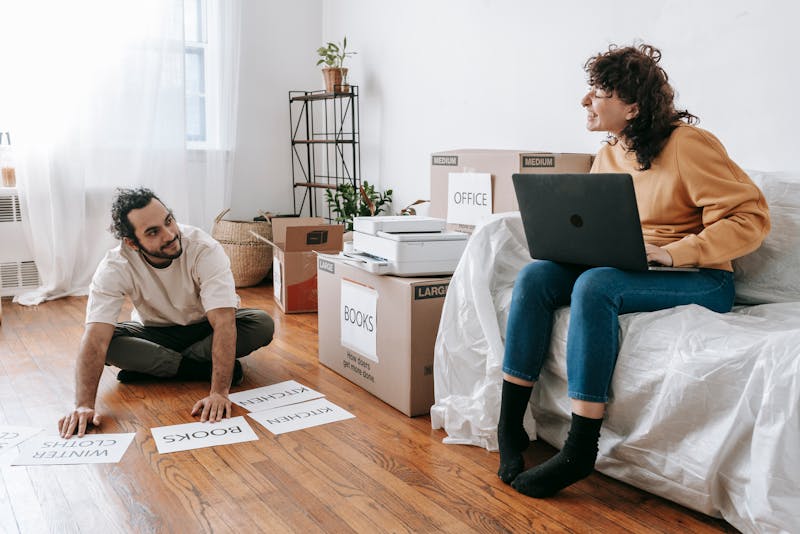
Proper planning is the foundation of a stress-free move. Many people underestimate how much preparation is required for a long-distance relocation. Without a solid plan, you risk missing deadlines, losing items, and incurring unnecessary expenses.
Start by creating a long-distance moving checklist. This will help you track tasks like notifying utility companies, scheduling movers, and updating your address. Break down the checklist into weekly goals leading up to your moving day to make the process manageable.
Planning also allows you to budget more effectively. Knowing what needs to be done ahead of time reduces surprises, helps you compare moving quotes, and ensures that you allocate enough time for packing and transportation.
How to Choose the Right Moving Company
Hiring a reliable moving company can make a significant difference in your relocation experience. The wrong choice can result in damaged items, delayed shipments, or inflated costs.
When evaluating moving companies, start by checking online reviews and testimonials. Ask for detailed quotes, including insurance options, packing services, and any potential extra fees. Consider companies that specialize in long-distance moves, as they have experience navigating logistics across states.
It’s also important to ask about their tracking systems. A company that allows you to monitor your belongings in real time provides peace of mind during transit. Remember, the cheapest option isn’t always the best — reliability and professionalism matter most.
Packing Smart: Tips for a Smooth Move
Packing can be one of the most time-consuming aspects of moving. Properly packing your belongings ensures they arrive safely and helps you stay organized in your new home.
- Declutter first: Fewer items mean less packing and lower moving costs. Donate, sell, or get rid of anything that you no longer use or need.
- Use quality supplies: Invest in sturdy boxes, bubble wrap, packing paper, and tape. Fragile items need extra protection.
- Label boxes clearly: Include contents and destination rooms on each box to make unpacking easier.
- Pack an essentials box: Keep daily necessities like toiletries, snacks, and important documents separate, so you have them immediately upon arrival.
By packing strategically, you can reduce stress and prevent damage to your belongings during the long journey.
Managing Stress During a Long-Distance Move
Moving can be emotionally taxing, especially if you’re leaving behind friends, family, or familiar surroundings. Managing stress is essential for maintaining your health and keeping the move organized.
Start by creating a daily schedule for moving tasks. Break larger projects into small, achievable steps to avoid feeling overwhelmed. Allow time for breaks and self-care, such as exercise, meditation, or social activities.
Communicate openly with family members or roommates about responsibilities and expectations. Sharing the workload not only eases the burden but also strengthens relationships during a transitional period. Remember, maintaining a positive mindset can make even a long-distance move a more manageable experience.
Moving With Kids and Pets: What You Should Know

Relocating with children or pets adds an extra layer of planning. Their comfort and safety should be a priority throughout the process.
For children, involve them in the move by letting them pack personal items and choose decorations for their new room. Discuss the move in a positive light, emphasizing new opportunities and experiences. For pets, ensure they have a secure carrier, familiar items like blankets or toys, and a routine to minimize anxiety.
Consider travel logistics carefully. Schedule breaks for rest, food, and exercise during long drives, and keep essential items easily accessible. These steps help everyone transition smoothly into the new environment.
Settling Into Your New Home
Once you arrive, the work isn’t over. Unpacking and organizing your new home efficiently will help you feel settled faster.
Start with essential areas like the kitchen and bedrooms. Use your labeled boxes to prioritize items you’ll need immediately. Take the time to set up utilities, internet, and safety features like smoke detectors early.
Exploring your new neighborhood can also reduce the stress of relocation. Find local grocery stores, parks, and community centers. Meeting neighbors or joining local groups can help you feel connected and at home more quickly.