
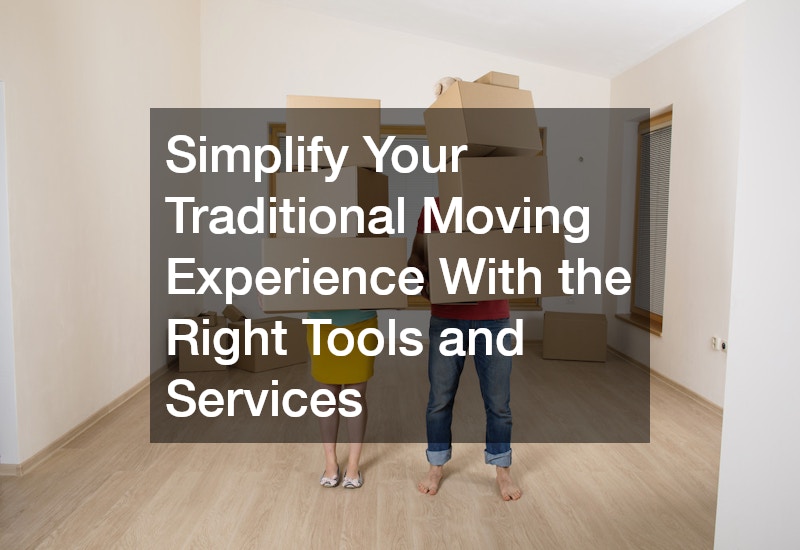

Moving into a new home or business space brings a mix of emotions—excitement, anticipation, and often a fair share of stress. Whether it’s your first big move or one of many, relocating is no small task. There’s packing to coordinate, timelines to meet, transportation to arrange, and plenty of decisions to make along the way. Even with the help of family or friends, the logistics can quickly become overwhelming without a clear plan or the right support system in place.
The good news is that moving doesn’t have to feel like a burden. With the proper preparation and resources, the process can be streamlined and even enjoyable. The key lies in understanding the tools and services available to you. From professional movers to storage solutions, today’s moving industry offers a wide range of options designed to make your transition smoother and less chaotic.
What makes a move truly successful isn’t just the distance covered or the speed of packing, but how well every aspect of the journey is managed. Whether you’re downsizing, upsizing, relocating for work, or making a personal change, the more you know about your choices, the better decisions you can make. This includes selecting reliable moving professionals, evaluating storage options, and choosing the right rental equipment to suit your situation.
This guide is designed to walk you through each phase of the process with a focus on practical decisions that simplify your move. From hiring help to selecting storage facilities and transportation, we’ll cover everything you need to know. You’ll gain insight into avoiding common pitfalls and uncover helpful tips that can save you time, energy, and money. By the end, you’ll feel more prepared and confident as you take on this next chapter with a well-organized plan.
Whether you’re heading across town or planning a long-distance move, these insights will help you get it done more efficiently. Let’s dive into the steps that make traditional moving more manageable and less stressful.
Choosing the Right Help for a Smooth Move

One of the most important decisions you’ll make during your traditional moving experience is choosing the right kind of help. Moving services come in many forms—from full-service movers who handle packing, loading, transport, and unloading, to labor-only services that focus strictly on carrying your items from one location to another. Determining which type of assistance best suits your needs depends on your budget, timeline, and how much work you’re willing to take on yourself.
Professional moving services can help ease the physical demands of relocation. If you’re short on time or lack the resources to organize everything yourself, hiring a team can be a worthwhile investment. These experts understand how to properly pack fragile items, lift heavy furniture safely, and maximize space in a moving truck. They also offer supplies like boxes, bubble wrap, and furniture blankets, reducing the hassle of sourcing materials on your own.
When planning a traditional moving project, consider how much value convenience adds to your experience. If you prefer a hands-off approach, look for full-service providers. If you’re trying to cut costs and have reliable help from friends or family, labor-only services might be sufficient. Either way, the right help makes all the difference in executing a successful move.
Researching Reputable Teams for Your Relocation
The quality of your moving company can make or break your entire experience. Take the time to research moving companies thoroughly before making a decision. Look for customer reviews, Better Business Bureau ratings, and licensing information to ensure you’re working with a legitimate business.
Transparent pricing is also essential. A reputable company will provide clear estimates, outline potential extra charges, and offer a written contract. Don’t hesitate to ask questions about insurance coverage, cancellation policies, or how they handle delays. A traditional moving process should never be clouded by uncertainty or hidden fees.
Comparing multiple moving companies gives you leverage and insight into industry standards. Be wary of extremely low quotes—they may reflect poor service or unexpected upcharges later on. Trust your instincts and choose a team that communicates clearly and aligns with your expectations for professionalism and reliability.
Keeping Belongings Accessible During the Transition
Sometimes, the timeline of moving out doesn’t perfectly align with moving in. That’s where self storage becomes a useful solution. These units provide a temporary space to hold your belongings safely until your new place is ready. Whether you need to store everything you own or just a few select items, having access to your goods during a transition period is incredibly convenient.
Many storage facilities offer month-to-month leasing, which is ideal for people undergoing a traditional moving timeline. This allows for flexibility in case plans shift. Choose a location that is close to your new or old home for easier access, and consider the size of the unit based on the volume of items you’ll need to store.
Having access to a reliable self-storage unit can take a lot of pressure off the moving day itself. Instead of rushing to unpack everything in one go, you can move items gradually and more intentionally. That kind of breathing room is a major stress reliever.
Finding a Secure Place for Valuable Items
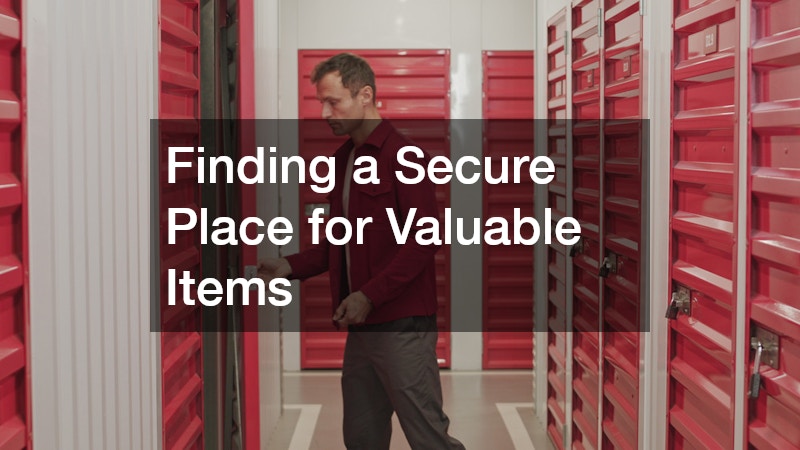
When storing high-value or sensitive belongings, indoor storage units provide an added layer of protection. Unlike outdoor units, these are housed within a building, offering better insulation, climate regulation, and security. If you’re storing artwork, electronics, antiques, or anything that could be damaged by extreme temperatures or humidity, indoor storage is the way to go.
Facilities with indoor storage units often include surveillance systems, keypad access, and on-site staff for enhanced safety. This is particularly important during traditional moving, when your focus is split between multiple priorities. Knowing your valuable items are protected offers peace of mind during an otherwise hectic time.
Indoor units also tend to be cleaner and more organized than outdoor alternatives. Since they’re inside, your items are less exposed to dust, pests, or potential water damage. For longer-term storage or high-risk items, this extra protection is well worth the investment.
Making Temporary Space Work for You
Storage rentals are a great option when you need short-term flexibility. These can range from small lockers to large garage-sized units and are rented on a daily, weekly, or monthly basis. If your traditional moving schedule has gaps—like waiting for keys to your new place or coordinating a cross-town move—these rentals help bridge that time without cluttering your temporary living space.
Rental storage offers options that are easy to tailor. Some companies provide mobile units that can be dropped off at your property and later picked up when ready to move. Others allow you to rent space within their facility. The choice depends on your level of convenience and control.
Temporary storage means you’re not cramming everything into a friend’s garage or living among boxes. It helps you stay organized and reduces stress, especially during multi-step relocations. Think of it as a buffer zone that smooths out the bumps along your moving journey.
Protecting Items That Need Special Conditions
Climate control units are designed to maintain steady temperature and humidity levels, making them essential for storing delicate items. Electronics, musical instruments, important documents, and certain furniture pieces are all vulnerable to extreme weather. These units ensure such belongings are preserved in optimal conditions.
During a traditional moving process, your items might sit in storage for weeks or months. Without proper environmental controls, they can warp, mold, or degrade over time. Climate control units eliminate that risk and offer consistent protection regardless of season or region.
Though often more expensive than standard storage, climate-controlled units are a smart choice for anyone who values the longevity of their possessions. They also often come with additional security features, adding another level of reassurance during your transition.
Getting the Right Vehicle for Your Move

Securing a reliable truck rental service is essential when handling your own move. The size of the truck should match the volume of your items, and it should be easy to load and unload. Many rental services offer hand trucks, dollies, and loading ramps to make the job easier.
Compare rental prices, mileage limits, and fuel policies before choosing a provider. Be sure to reserve your truck well in advance, especially during peak traditional moving seasons when availability is limited. Also, inspect the vehicle before driving off the lot to ensure it’s in good working condition.
For longer moves, some services offer one-way rentals, allowing you to pick up the truck in one city and drop it off in another. This can save time and reduce unnecessary driving. A dependable truck rental service gives you control over your schedule and budget while still supporting a do-it-yourself approach.
Trusting the Right Professionals With Your Belongings
Safe movers specialize in handling fragile, heavy, or high-value items with extra care. Whether it’s a grand piano, a pool table, or a family heirloom, these professionals have the training and tools to transport your belongings without damage.
Hiring safe movers is a smart move for anyone concerned about the well-being of their possessions during traditional moving. These experts often provide custom padding, specialized lifting equipment, and techniques that protect both the item and your property.
Even if you’re doing most of the move yourself, it might be worth hiring safe movers for specific tasks. It’s an investment in peace of mind and could save you money in the long run by preventing costly damage.
Organizing Your Belongings Before and After the Move
Good organization makes a huge difference before, during, and after your move. Whether you’re placing items in long-term storage or unpacking them into your new home, knowing where everything is will save time and reduce stress. Label your boxes, create inventory lists, and group items by room or purpose.
Storage plays a dual role in traditional moving. First, it helps you declutter and streamline packing. Second, it gives you a way to delay unpacking until you’re fully settled in. This flexibility means you can take your time arranging your new space exactly how you like it.
Keep essentials accessible and store non-urgent items for later. With proper planning, storage can actually enhance your moving experience rather than complicate it.
Exploring Versatile Options for Big Moves
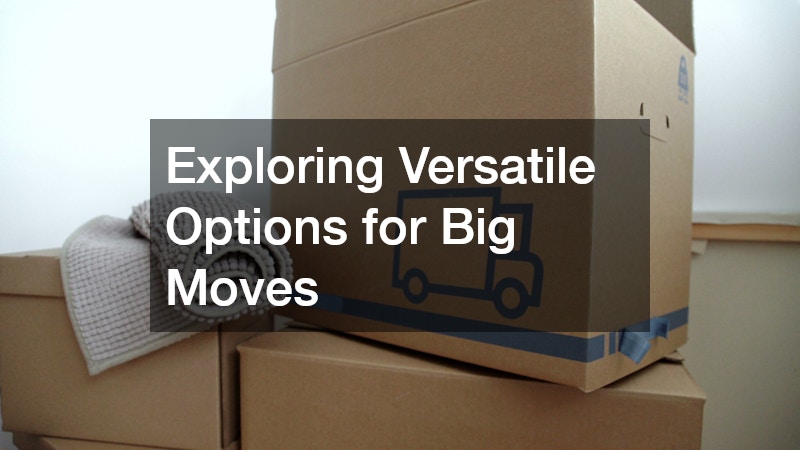
Shipping containers offer a unique solution for larger or long-distance moves. These portable units are delivered to your location, filled at your own pace, and then shipped to your new destination. They combine the convenience of on-site packing with the flexibility of professional transport.
This method is ideal for complex moving scenarios involving multiple stops or interim housing. You don’t have to rush the process, and your items stay secure in the same container throughout. Plus, shipping containers often cost less than hiring full-service movers over a long distance.
Versatile and secure, containers are gaining popularity as a smart alternative to more conventional relocation methods. They work especially well for people who want more control over the timing and method of their move.
Successfully managing a move means more than just getting from point A to point B. It’s about planning carefully, selecting the right support, and using services that meet your unique needs. The moving process offers a wide variety of tools and solutions that help streamline everything from packing to unpacking. By understanding your options and tailoring them to your timeline and budget, you create a smoother, less stressful experience.
Each phase of the relocation process—from choosing movers and renting storage to selecting a vehicle or shipping container—requires thoughtful consideration. Relying on professional support can ease the physical demands of the move, while smart use of storage and climate control units protects your belongings along the way. These resources allow you to adapt to unexpected changes and take more control over your relocation journey.
If you’re planning a move in the near future, start by evaluating which aspects you want to manage yourself and where you’d benefit from expert help. Explore local service providers, compare rates, and read reviews. The better prepared you are, the more efficiently you can complete each step of the process.
Relocating doesn’t have to be a stressful endeavor. With the right combination of services, storage solutions, and careful planning, it becomes an opportunity to reset and reimagine your living space. Whether you’re moving across the street or across the country, taking the time to do it right makes all the difference. Use this guide to approach your next big move with confidence and clarity, so you can focus on the excitement of settling into a new home and chapter of life.