
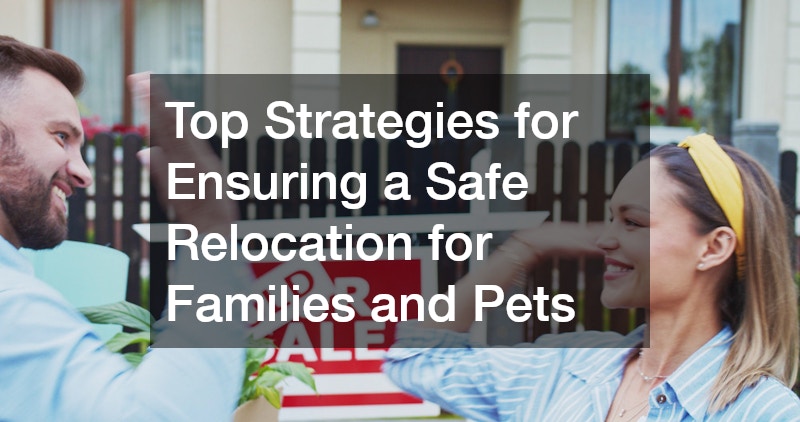

Relocating to a new home is one of the most significant life transitions a family can face. While it brings excitement and fresh opportunities, the process also comes with numerous challenges, especially when children and pets are involved. Moving is not just about transporting belongings from one place to another; it requires careful organization, proactive planning, and attention to detail to ensure that everyone, including pets, experiences as little stress as possible. For families with animals, the stakes are even higher. Pets can become anxious, disoriented, or even physically unsafe if their needs are not carefully addressed during the moving process. Meanwhile, fragile or valuable household items require special care to avoid damage or loss.
A successful move balances these multiple priorities, emphasizing preparation, communication, and strategy. Families must consider timing, logistics, and safety measures while simultaneously maintaining normal routines to minimize disruption. This article explores proven strategies to ensure a smooth, organized, and safe relocation. By implementing these approaches, families can reduce stress, protect their belongings, and create a secure and positive experience for every member of the household.

Creating a Comprehensive Moving Plan
The cornerstone of any successful relocation is an organized and detailed moving plan. Effective planning begins several weeks before the actual move, allowing ample time to address every aspect of the transition. Families benefit from establishing a timeline that incorporates major milestones, such as packing specific rooms, notifying schools and utility providers, and coordinating travel arrangements for both people and pets. Early planning also allows time to identify and resolve potential challenges, such as conflicting schedules, last-minute repairs, or difficult-to-transport items.
Dividing responsibilities among family members reduces the burden on any single individual. Children can assist by packing personal belongings or organizing toys, while adults manage high-priority tasks like securing moving services or updating addresses. Preparing emergency kits for both people and pets is a subtle but critical strategy. These kits should contain items such as snacks, essential toiletries, pet food, and first aid supplies, which can be invaluable during unexpected delays.
Choosing a reliable moving company plays a critical role in maintaining a smooth, stress-free process. Experienced movers not only transport items safely but also help families navigate logistical challenges, reducing the risk of damage or lost possessions. The presence of professionals ensures that heavy furniture, delicate electronics, and fragile household items are handled with care. Integrating these practices establishes a foundation for a safe relocation, allowing families to focus on managing daily routines and maintaining the well-being of pets and children during the transition.
Budgeting and Planning Finances
Financial preparation is an often-overlooked but essential element of any relocation. Moving can be surprisingly expensive when all costs are considered, from packing materials and transportation fees to lodging and pet care. Without careful financial planning, families may find themselves scrambling to cover unexpected expenses, which can significantly increase stress and disrupt the moving process. Developing a realistic budget allows households to prioritize critical services while avoiding unnecessary financial strain.
Creating a budget begins with listing every anticipated cost, including moving company fees, shipping materials, fuel for travel, temporary accommodations, insurance, and even miscellaneous items such as cleaning services or meals on the road. Families should also consider the cost of insuring valuable items, particularly if they include delicate or irreplaceable objects. By comparing multiple quotes for moving services and carefully estimating travel expenses, it becomes possible to identify cost-saving opportunities without compromising safety or quality.
Strategic financial planning enables families to allocate resources effectively, ensuring that essential services like professional movers, secure transportation for pets, and protection for fragile or high-value items are prioritized. Financial readiness reduces last-minute stress, which in turn supports a safe relocation by allowing families to make thoughtful decisions, maintain organization, and address challenges proactively rather than reactively.
Packing With Care
Packing is one of the most labor-intensive parts of any move, but it is also one of the most critical. How items are prepared for transport can determine whether belongings arrive intact or damaged. Effective packing requires both the right materials and thoughtful technique. Using appropriate shipping supplies such as sturdy boxes, protective padding, bubble wrap, and tape is essential. Fragile items, from glassware to electronics, demand careful attention, while everyday objects still benefit from secure packing to prevent wear or breakage.
Families can optimize their packing by addressing each room separately, ensuring that belongings are organized logically. Labeling boxes with their contents and destination room helps maintain order during the unloading process. For highly valuable or sentimental items, such as important documents, family photos, or electronics, it is best to keep them in a secure container that remains with family members during transit. Children’s toys and comfort items should be packed last, ensuring they are accessible during the move and can help maintain a sense of normalcy.
Attention to packing details directly contributes to a safe relocation, reducing the likelihood of broken possessions and misplaced items. With careful planning and the correct materials, families can ensure that every item, from everyday necessities to treasured keepsakes, is transported securely, allowing everyone to arrive at the new home with confidence and peace of mind.

Securing Your Home
Ensuring home security is an important step in the moving process. Before leaving, families should verify that all doors, windows, and entryways are locked and functioning properly. While it may be tempting to focus solely on the logistics of moving boxes, neglecting home security can leave valuable possessions vulnerable. Taking precautions, such as installing temporary alarms or motion detectors, helps safeguard belongings while the home is vacant during a move.
Engaging a professional locksmith to upgrade or change locks is a practical and often overlooked measure. A locksmith ensures that your property is secure, providing peace of mind for both the move-out and move-in phases. This step is critical for a safe relocation, particularly for families with children or pets, because it helps prevent unauthorized access, theft, or accidental injuries caused by unsecured doors or gates. Additionally, checking basic maintenance issues, such as smoke detectors, plumbing, and electrical systems, ensures the home is safe and functional, reducing potential hazards for all family members.
Caring for Pets During the Move
Pets experience stress during moves just as humans do, and their safety and comfort should be a top priority. Maintaining a familiar routine, including regular feeding, exercise, and playtime, can help reduce anxiety. Familiar blankets, toys, or bedding can provide comfort, and secure carriers or crates should be used to ensure safe transport. Adequate ventilation, hydration, and bathroom breaks are essential for long trips, and pets should never be left unattended in vehicles.
Some families choose to rely on professional pet boarding services during the moving period. Boarding facilities provide structured environments where animals can remain safe, comfortable, and cared for while the household is in transition. Utilizing these services can significantly reduce stress for pets and humans alike, and it plays an important role in maintaining a safe relocation. Families can focus on other moving tasks without worrying about the well-being of their animals, knowing that they are being professionally looked after.
Using Temporary Storage Solutions
During a move, it is common for families to encounter periods when items cannot be immediately transferred to the new home. In such cases, self storage provides a secure and practical solution. Storage units offer protection from environmental hazards, theft, and damage, and climate-controlled facilities can preserve sensitive items such as electronics, artwork, or antique furniture.
Organization within storage units is critical. Items should be arranged so that frequently needed boxes are accessible, while heavy objects are placed on the bottom to prevent crushing lighter or fragile items. Labeling boxes clearly and maintaining an inventory list ensures easy retrieval when the time comes to move belongings into the new home. Strategic use of storage minimizes clutter, reduces stress, and contributes to a safe relocation, allowing families to maintain order and protect their possessions during transitional periods.
Protecting Valuables and Important Documents
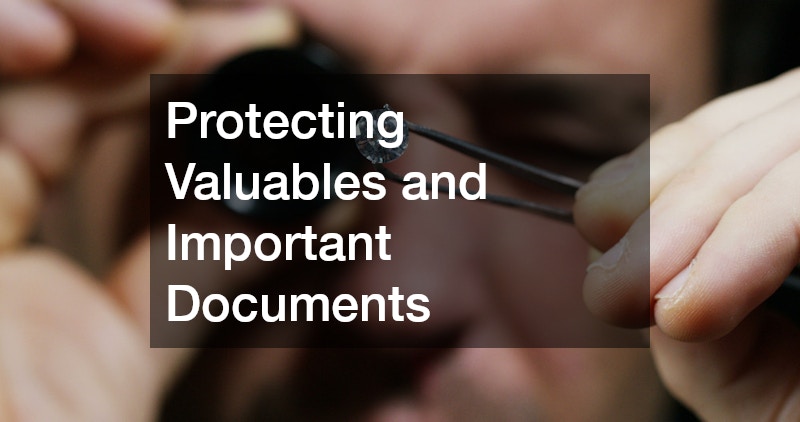
High-value items require extra precautions during relocation. Fragile heirlooms, jewelry, and critical documents must be protected against loss or damage. These items should be transported in secure, waterproof containers or carried personally when feasible.
Special attention should be given to items such as wedding rings, which are often irreplaceable. Packing these separately in protective cases and keeping them in the personal possession of a family member ensures their safety. Insuring valuable items adds an extra layer of security, safeguarding against financial loss in the event of accidental damage or misplacement. Taking deliberate steps to protect valuables is a key factor in a safe relocation, giving families peace of mind that their most important possessions are protected.
In addition to careful packing and personal handling, families can enhance security by storing high-value items temporarily in a trusted safe deposit box or a secure home safe if available. Coordinating with professional movers to handle these items separately can prevent them from being accidentally misplaced or damaged during transit. For extremely delicate or sentimental objects, consider arranging for specialized moving services that focus on fragile or high-value possessions. By combining these precautions with insurance and meticulous handling, families further ensure that their valuables remain protected, reinforcing the overall safe relocation of both possessions and peace of mind.
Checking Home Safety and Structural Integrity
Before moving in, inspecting the new home is essential for ensuring safety. Structural issues, including roof damage, leaks, or faulty plumbing, can create hazards if left unaddressed. Hiring certified professionals for roof inspections helps identify and resolve potential problems before occupancy, preventing costly repairs and ensuring that the home is safe for children, pets, and family members.
Beyond the roof, families should examine electrical systems, HVAC units, and smoke detectors to confirm functionality and compliance with safety standards. Addressing these concerns ahead of time allows the household to settle into a safe and comfortable environment, which is a critical component of a safe relocation. A proactive approach to home safety reduces unexpected disruptions and enhances overall peace of mind during the moving process.
Managing Local Services and Essentials
Efficiently managing local services is vital to a smooth transition. Families should update addresses with financial institutions, schools, healthcare providers, and subscription services. Coordinating utility setups, internet access, and waste collection in advance helps prevent inconvenient delays.
Using local printing services for moving labels, checklists, or essential documents saves time and ensures accuracy, especially when professional quality is required quickly. Timely access to local resources helps families maintain order and organization, supporting a safe relocation by reducing logistical stress and ensuring that household functions continue without interruption.
In addition, connecting with local service providers such as grocery delivery, pet care, and childcare facilities can streamline the first weeks in a new home. Establishing these relationships early ensures that essential needs are met without disruption and helps the family acclimate more quickly to the new community. Being proactive about local resources also allows families to anticipate potential challenges, such as traffic patterns or service hours, further reducing stress and contributing to a safe relocation by keeping everyday routines smooth and predictable.
Planning for Long-Distance Moves
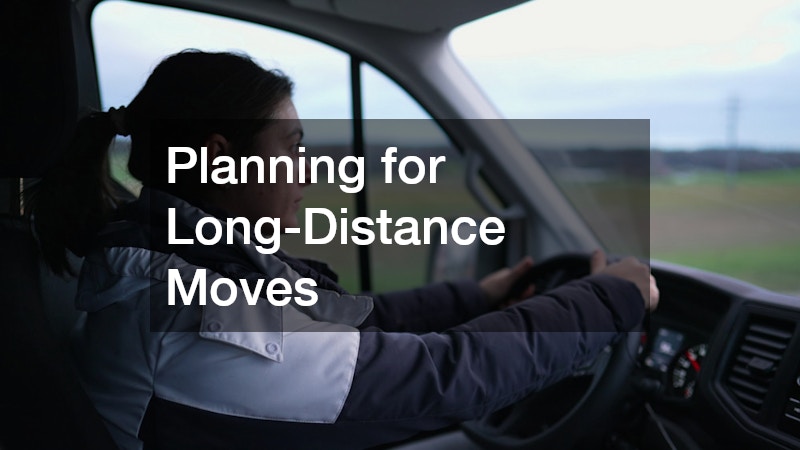
Long-distance moves introduce additional challenges that require careful planning. Families must account for travel time, accommodations, route planning, and the safe transport of both people and pets. Preparing an itinerary that incorporates breaks, meals, and overnight stays helps maintain comfort and safety.
Engaging professional long distance moving services can greatly reduce the complexity of the move. These specialists offer expertise in transportation, route optimization, and secure handling of delicate items. They can manage vehicle transport, fragile possessions, and large furniture, which allows families to focus on the well-being of children and pets. Utilizing professional support is a critical factor in ensuring a safe relocation, especially for moves that span multiple states or involve complex logistics.
Relocating a family with pets requires foresight, careful planning, and attention to detail. From organizing a moving plan and managing finances to packing strategically, securing homes, and attending to pets’ needs, every step contributes to a smooth and stress-free process. Temporary storage, professional services, and inspections further enhance safety, ensuring both people and belongings are protected.
By approaching each stage methodically, families can minimize disruptions and protect what matters most. These strategies allow households to settle comfortably in their new environment while maintaining safety, organization, and peace of mind. Following these recommendations guarantees a well-executed and safe relocation, setting the foundation for a positive and successful transition into a new home.