
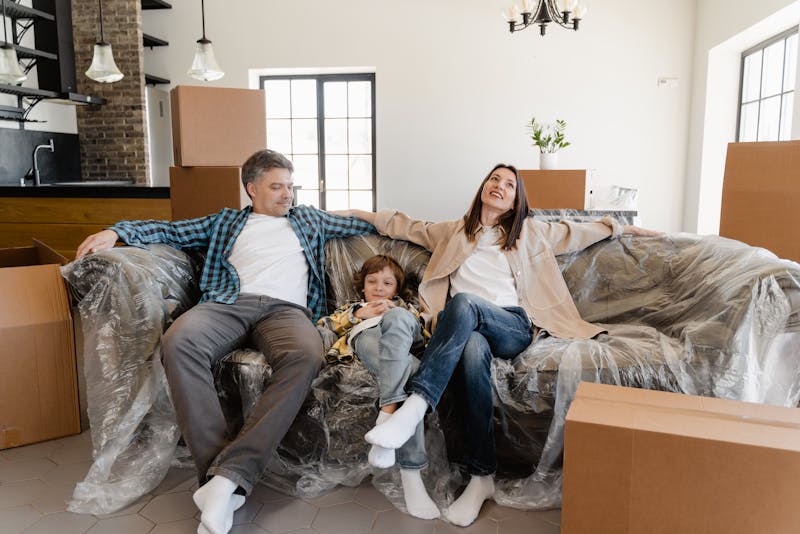
- Plan ahead: Create a moving timeline, inspect your new home, and schedule repairs to avoid last-minute stress.
- Pack strategically: Use quality materials, label boxes clearly, and pack one room at a time for efficient unpacking.
- Prepare moving-day essentials: Keep important items, documents, and basic necessities accessible to stay organized.
- Set up essential rooms first: Focus on bedrooms, bathrooms, and the kitchen to maintain comfort immediately after moving in.
- Check utilities and home systems: Ensure electricity, water, gas, and internet are functioning before settling in fully.
- Prioritize home security: Change locks, update alarm systems, and consider smart security upgrades for peace of mind.
- Declutter and stay organized: Sort items, maintain a digital inventory, and plan your layout to create a smooth move-in experience.
Moving into a new house is an exciting milestone. Whether you’re relocating for work, upgrading for more space, or settling into your first home, the process requires detailed planning. This guide walks you through essential steps to help you stay organized, minimize stress, and ensure a smooth transition.
From cleaning and packing to home safety checks and post-move tasks, this comprehensive checklist equips you with everything you need to prepare with confidence and efficiency.
Why Planning Ahead Matters When Moving Into a New House
Preparing to move into a new house involves more than packing boxes and calling a moving company. Homeowners need to think ahead to avoid delays, unexpected expenses, and logistical challenges. Proper planning ensures every task is handled on time, allowing you to enjoy the experience rather than feel overwhelmed. Creating a structured plan also helps you prioritize what needs to be done before, during, and after the move.
Understanding the steps involved gives you a clearer picture of what to expect. It becomes easier to allocate the right amount of time and budget to each task, preventing last-minute scrambling. With a detailed strategy, you can also coordinate with family members, movers, and service providers more efficiently. This proactive approach will ultimately save you time, money, and energy—making your move smooth from start to finish.
What Should You Do Before Moving In?
Preparing your new house before move-in day can save you from unnecessary trouble later. This stage includes inspecting the home, planning repairs, and arranging cleaning routines that let you settle in quickly. Paying attention to these tasks ensures you enter a safe, functional, and comfortable environment. It also helps you avoid disruptions caused by overlooked issues such as faulty wiring, plumbing problems, or pest concerns.
Homeowners often underestimate how much work needs to be done before moving in. However, prioritizing these steps will help streamline your transition and improve your overall experience. You’ll have peace of mind knowing that key maintenance needs are addressed and all systems are in good working condition. Whether you’re moving into a newly built property or an older home, preparation is crucial to a stress-free start.
Inspect and Repair Before Moving Day
Before bringing in furniture and boxes, inspect every part of the house to identify any issues that require immediate attention. This includes electrical systems, plumbing lines, and structural elements such as doors and windows. Addressing repairs now prevents bigger problems later and makes your home safer and more comfortable.
Things to inspect include:
- Electrical outlets and switches
- Leaks in sinks, toilets, and pipes
- Windows and door locks
- Roof condition and attic ventilation
- Heating and cooling systems
Hire professionals if you discover issues you cannot fix on your own. Getting these repairs out of the way early avoids inconvenience once you’ve fully moved in.
Deep Clean the Entire House
Cleaning your home before move-in is easier when the rooms are still empty. A deep clean removes dust, allergens, and hidden dirt that may have accumulated over time. Even newly built homes need cleaning due to construction debris.
Focus on:
- Kitchen surfaces, cabinets, and appliances
- Bathroom tiles, sinks, and toilets
- Floors, carpets, and baseboards
- Windows and screens
- Air vents and filters
Some homeowners prefer hiring professional cleaners for faster and more thorough results. A clean home gives you a fresh start and makes unpacking more enjoyable.
Plan Your Layout
Before boxes and furniture start filling up your space, plan how each room will be arranged. This helps movers place items in the right areas, reducing the time you spend rearranging them later. Measuring the dimensions of rooms and doorways ensures your furniture fits without issues.
Consider:
- Where large items like sofas and beds will go
- How much walking space each room should have
- Which rooms need the most natural light
- Electrical outlet locations for appliances and electronics
Planning your layout provides clarity and speeds up the entire unpacking process.
Tips for Moving Into a New House: Packing Essentials Every Homeowner Needs
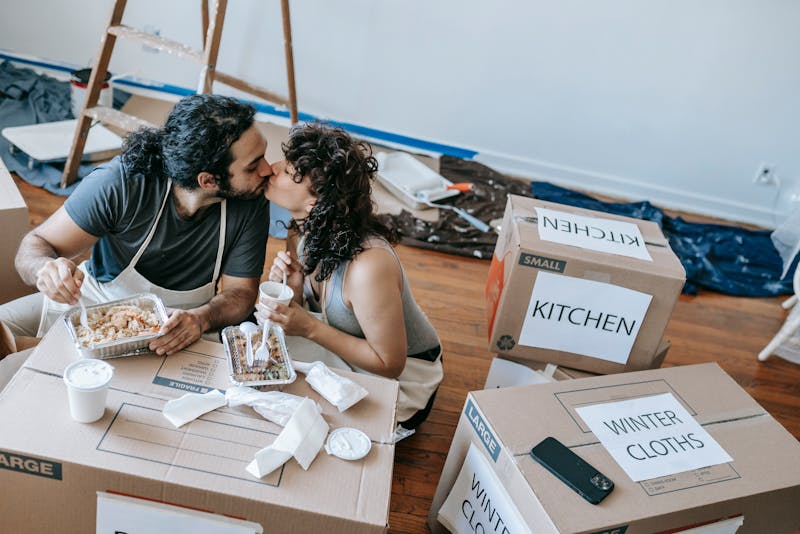
Packing can feel overwhelming, but strategic organization makes the task more manageable. By preparing the right supplies and packing efficiently, you reduce the chances of damaged items and lost belongings. This section outlines essential tools and techniques that simplify packing from start to finish. With a proper system, you can move into your new home confidently and avoid extra stress.
Homeowners often underestimate how many packing materials they need. Gathering everything beforehand ensures you don’t interrupt your work to buy more supplies. It also helps you label, categorize, and secure items properly. With the right approach, packing becomes a smooth and structured process instead of a chaotic last-minute rush.
Gather the Right Packing Materials
Having the correct packing materials protects your belongings and makes loading easier. Invest in high-quality supplies rather than relying on flimsy boxes.
Must-have packing items:
- Sturdy boxes in various sizes
- Furniture blankets and covers
- Packing tape and dispensers
- Bubble wrap and protective foam
- Marker pens for labeling
- Zip-seal bags for small items
Being equipped from the start ensures a faster, more organized packing experience.
Label Everything Properly
Clear labeling is crucial for efficient unloading and unpacking. Without labels, boxes end up in the wrong rooms, slowing down the process.
Label each box with:
- Room name
- Brief description of contents
- Fragile markings when necessary
Color-coding can also help you categorize items quickly. Proper labeling improves coordination with movers and helps you find essentials faster once you arrive.
Pack One Room at a Time
This strategy helps maintain focus and reduces overwhelming clutter. Start with rooms you use least, such as guest bedrooms or storage spaces.
Packing room by room helps you:
- Track progress easily
- Prevent mixing items from different rooms
- Reduce unpacking confusion later
This method ensures a cleaner, more systematic packing flow.
Moving Day Essentials: What Should You Expect?
Moving day can be hectic, but knowing what to expect keeps things under control. Homeowners must coordinate with movers, prepare personal essentials, and manage logistics to ensure everything runs smoothly. While it may feel overwhelming, having a clear plan allows you to handle challenges without stress.
This stage is where all your preparation pays off. With the right tools, communication, and timeline, you can complete your move efficiently. Understanding what happens on moving day also helps you set realistic expectations, whether you’re hiring movers or handling most tasks yourself. Here are the key steps to keep things running smoothly.
Prepare a Moving-Day Essentials Bag
This bag contains items you’ll need immediate access to during the move. It prevents unnecessary unpacking just to find basic necessities.
Include:
- Important documents
- Wallet and keys
- Snacks and water
- Toiletries
- Phone chargers
- A change of clothes
This ensures you have everything you need, even if the rest of your belongings are still in boxes.
Protect Your Floors and Walls
Heavy furniture and boxes can scratch or damage surfaces. Take steps to protect your flooring and walls before movers arrive.
Use:
- Floor runners
- Furniture sliders
- Corner protectors
These small precautions help prevent repair costs after the move.
Stay in Communication With Movers
Effective coordination ensures the move stays on schedule. Discuss any special instructions in advance, such as fragile items or furniture that needs assembly.
Clarify:
- Which boxes go to which rooms
- Items that need careful handling
- Parking arrangements for the truck
Clear communication prevents delays and keeps the move organized.
After the Move: What Should You Do First?
Once everything is inside your new house, the next steps determine how quickly you can settle in. Homeowners must focus on unpacking essentials, securing the home, and checking that major systems are working properly. This stage helps transform your new property into a comfortable and fully functional living space.
It’s easy to feel overwhelmed after seeing stacks of boxes everywhere. However, breaking down tasks makes the process less stressful. Prioritizing safety, utilities, and essential rooms helps you transition smoothly without rushing. With a strategic plan, settling into your new home becomes a rewarding experience rather than a stressful chore.
Set Up Essential Rooms First
Start with rooms you need immediately, such as:
- Bedroom
- Bathroom
- Kitchen
Setting up these spaces first gives you comfort and stability. You can rest, cook, and maintain daily routines even while other rooms still need organizing.
Check Utilities and Home Systems
Verify that everything is working correctly—including electricity, water, gas, and HVAC systems. Addressing issues early prevents disruptions later when you fully settle in.
Test:
- Light switches and outlets
- Water pressure and heating
- AC and furnace performance
- Internet and phone lines
If something doesn’t work, contact your service provider as soon as possible.
Change Locks and Update Security
Security should always be a top priority when moving into a new home. Changing locks ensures only you and your family have access. You may also consider upgrading to smart locks or adding security cameras for additional protection.
Update:
- Door locks
- Garage codes
- Alarm systems
- Exterior lighting
A secure home gives you peace of mind from the very start.
How to Stay Organized During the Move
Staying organized helps homeowners reduce unnecessary stress. When you’re juggling packing, cleaning, and coordinating with movers, it’s easy to lose track of items or tasks. However, with a solid system, the entire moving process becomes more manageable and efficient.
Organization ensures you meet deadlines, keep important documents safe, and maintain a tidy environment as you transition. This section outlines strategies homeowners can use to stay on schedule and avoid common moving pitfalls. A structured approach helps everything run smoothly from planning to unpacking.
Create a Moving Calendar
A schedule keeps you on track and reminds you of upcoming deadlines. It also helps you distribute tasks evenly to avoid burnout.
Include on your calendar:
- Packing start and end dates
- Utility transfer schedules
- Moving company appointments
- Cleaning deadlines
A timeline removes guesswork and keeps the process efficient.
Use a Digital Inventory System
Digital tools simplify tracking your items. Apps or spreadsheets allow you to organize your belongings by room, category, or priority.
A digital inventory helps you:
- Track fragile items
- Prevent misplaced belongings
- Keep receipts for expensive items
- Plan unpacking
This tool is especially helpful for homeowners with large households.
Declutter Before Unpacking
Unpacking is easier when you only bring items you truly need. Decluttering also creates more space and reduces storage problems.
Sort items into:
- Keep
- Donate
- Sell
- Recycle
Decluttering gives your new home a fresh start and helps you stay organized from day one.
Additional Tips for Moving Into a New House Smoothly

While the core steps cover most of the moving process, there are additional steps homeowners can take for a more seamless transition. These simple yet effective strategies address overlooked areas that can significantly improve your experience. Whether you’re a first-time homeowner or a seasoned mover, these tips help you reduce stress and stay in control.
Small actions, such as photographing electronics before disconnecting them or updating your address early, can save you time and frustration. Every effort you make ahead of time contributes to a more organized move. Incorporating these bonus tips ensures your move is not just smooth but also efficient and stress-free.
Update Your Address and Billing Information
Notify key institutions about your move to avoid interruptions in billing or mail delivery.
Update:
- Bank and credit card accounts
- Government IDs
- Online subscriptions
- Delivery apps
Switching your address early prevents delays and communication issues.
Photograph Cables Before Disconnecting Electronics
Before unplugging televisions, routers, or gaming consoles, take a quick photo. This makes reinstallation easier and saves you time.
Photos help you:
- Match cables correctly
- Avoid technical confusion
- Speed up setup
This simple trick prevents unnecessary frustration.
Stock Up on Basic Household Supplies
Moving in means you’ll need immediate access to basic items.
Prepare:
- Trash bags
- Cleaning supplies
- Paper towels
- Light bulbs
- Batteries
Having these items ready makes your first few days easier and more comfortable.
Conclusion: A Smooth Move Starts With the Right Checklist
Moving into a new house can feel overwhelming, but the process becomes manageable with a clear and organized plan. By inspecting your home, packing strategically, preparing for moving day, and setting up essential areas first, you create a smoother experience. As a homeowner, staying ahead of potential issues helps you settle in quickly and enjoy your new space.
This ultimate checklist provides a step-by-step guide to cover everything from home repairs and packing to security upgrades and post-move tasks. With proper preparation, you can reduce stress, protect your belongings, and save time. A thoughtful approach ensures your transition is efficient and enjoyable. Use these tips to move confidently into your new home and start the next chapter comfortably and stress-free.